

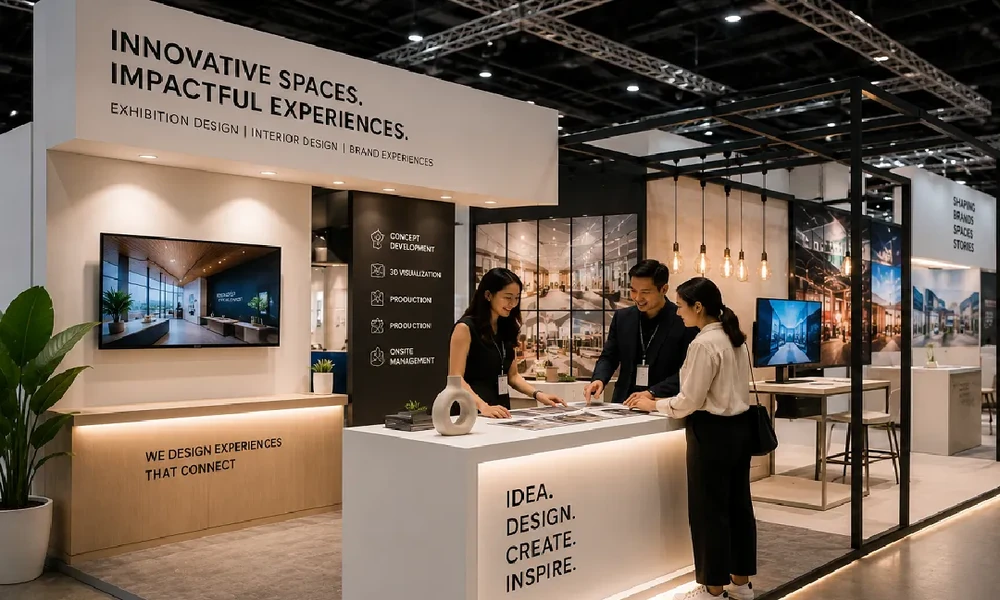
Exhibitions in Singapore compete for attention with a vast range of attractions, events and digital entertainment. To succeed, a display must communicate clearly, engage visitors and leave a lasting impression. Good exhibition design singapore brings together space, content, technology and fabrication to achieve this. Whether for museums, corporate showcases, trade events or public installations, certain elements consistently separate successful displays from those that visitors pass by without a second look.
Clear Purpose and Message
Every successful exhibition starts with a clear purpose. Is it meant to educate, inspire, sell, celebrate or provoke reflection? Who is the audience, and what should they take away? A focused message helps designers make decisions about content, layout and tone. Exhibitions that try to say too much often end up saying very little. Writing the main message in a single sentence before design begins is a simple test: if the team cannot agree on that sentence, the exhibition is not yet ready to be designed.
Audience Understanding
Designing for the audience is essential. Visitors differ in age, background, interests and time available. Some will read every panel, while others will skim or focus on visuals. Successful exhibitions offer layers of engagement, allowing quick visitors to grasp the main message and curious visitors to explore further. School groups are a major audience for many Singapore exhibitions, so content that links to curriculum topics and works for groups of thirty or more can greatly increase visitor numbers. Key considerations include:
- Language and reading level of content
- Physical accessibility and seating
- Interests of different age groups
- Expected visit duration
- Cultural context and sensitivities
Understanding these factors helps create inclusive experiences.
Strong Spatial Storytelling
Exhibitions tell stories through space. The sequence of areas, changes in scale and lighting, and placement of key objects guide visitors through a narrative. Clear entry points, logical progression and moments of surprise keep visitors engaged. Designers often use storyboards and models to test how the story unfolds in space before construction begins. Pacing matters as much as content. Alternating dense information areas with lighter, more visual moments helps prevent visitor fatigue in larger exhibitions.
Visual Design and Graphics
Graphics, typography and imagery communicate information quickly. Clear hierarchy, readable fonts and strong contrast improve legibility. Consistent visual language ties the exhibition together. In multilingual contexts such as Singapore, graphics may need to accommodate several languages without becoming cluttered. Good visual design makes information accessible at a glance. Text panels are often too long; many designers aim for short introductory texts of no more than a few sentences, with more detail available for those who want it.
Lighting and Atmosphere
Lighting shapes mood, highlights key elements and supports readability. It can create drama, focus attention or provide calm reflection spaces. For displays involving delicate materials, lighting must also meet conservation requirements. Thoughtful exhibition design singapore work treats lighting as an integral part of the experience rather than a technical afterthought. Glare on glass cases and screens is a common complaint, so test lighting angles with the actual display materials before opening.
Interactive and Digital Elements
Interactive displays, touchscreens, projections and immersive media can deepen engagement and appeal to younger audiences. However, they should support the message rather than distract from it. Reliability and ease of use are crucial, as broken or confusing interactives frustrate visitors. Content should be easy to update for longer-running exhibitions. For exhibitions running several months, plan who will check and reset equipment each day, and keep spare parts on site.
Materials and Fabrication Quality
Materials influence how an exhibition looks, feels and lasts. High-quality fabrication ensures durability, safety and a polished appearance. Materials should suit Singapore’s climate, resisting humidity and heavy use. Sustainable materials and modular systems can reduce environmental impact and allow components to be reused. Air-conditioned interiors and humid exteriors can cause condensation and warping in some materials, so specification should reflect where the display will actually stand.
Accessibility and Comfort
Inclusive exhibitions welcome visitors of all abilities. Accessible design includes:
- Wide, step-free circulation routes
- Displays at heights suitable for wheelchair users and children
- Readable text and audio alternatives
- Seating and rest areas
- Clear signage and wayfinding
Comfortable visitors stay longer and engage more deeply.
Operations and Maintenance
Exhibitions must work day after day. Designers should consider cleaning, maintenance, security, staff access and visitor management. Spare parts for interactives, easy access to technical equipment and durable finishes reduce downtime and maintenance costs. Front-of-house staff should be briefed thoroughly, because they answer visitor questions and notice problems long before anyone else.
Evaluation and Improvement
After opening, observe how visitors use the exhibition and gather feedback. Some elements may be more popular than expected, while others are overlooked. Adjustments can improve the experience over time. Exploring examples of museum and exhibition design work in Singapore can provide inspiration and practical lessons. Simple methods work well: count how many visitors stop at each section, note where they linger and ask a few of them what they remember on the way out.
The Lasting Measure
A successful exhibition is one that visitors talk about afterwards. If they can explain what they saw and why it mattered, the design has achieved its purpose.
