

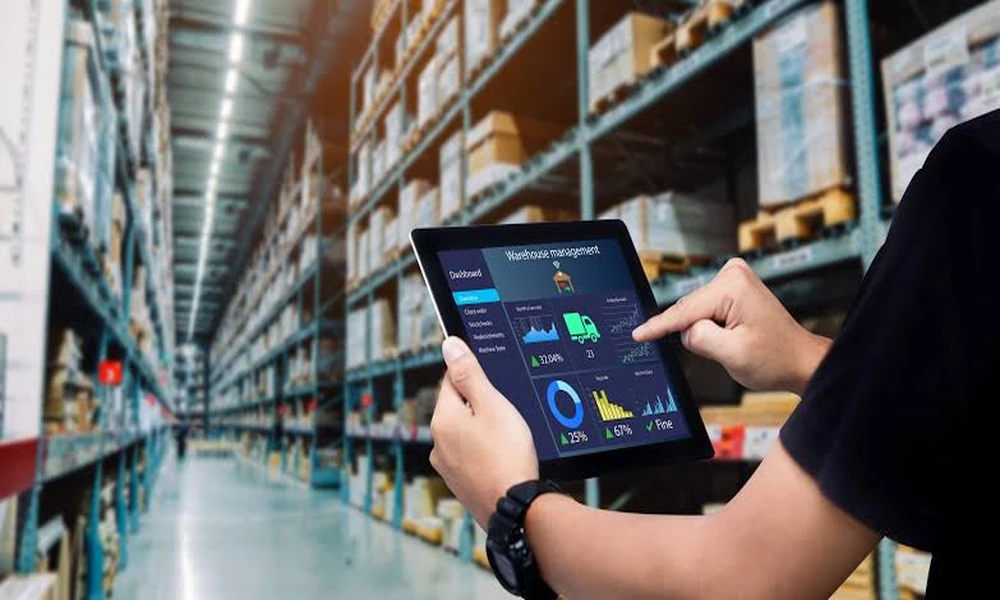
A truck backs into a loading bay with forty cartons of shampoo, twelve pallets of biscuits and a handful of mixed boxes nobody expected. Three hours later, some of that stock is already on its way to a retailer, some is tucked into a high rack and some is waiting for a quality check. Keeping track of all that movement on paper or in a spreadsheet works for a while, then quietly falls apart. WMS software exists to keep every carton accounted for from the moment it arrives to the moment it leaves.
The idea sounds simple, yet a good system touches almost every task on the warehouse floor. It tells people where to put things, where to find them, what to send first and what to load onto which vehicle. Each of those steps leaves a scan and a record that the rest of the business can rely on.
What Happens at the Receiving Dock When Goods Arrive?
Receiving is where accuracy is won or lost. When a vehicle arrives, the system already knows what should be on it, because the purchase order or advance shipping notice was entered earlier. A dock worker scans the barcodes on each carton or pallet, and the software compares what has turned up against what was ordered.
Short deliveries, wrong items and damaged cartons get flagged on the spot. That saves arguments with suppliers later. Batch numbers, expiry dates and serial numbers can be captured at this stage too, which matters for food, medicines and electronics. Once the check is complete, the stock becomes visible in the system.
Where Does Stock Go After It Leaves the Dock?
Putaway is the next step, and it is where warehouse management system software starts to earn its keep. Instead of a worker wandering the aisles looking for an empty spot, the system suggests a location based on rules the warehouse has set. Fast-moving items might go close to the packing area. Heavy goods go on lower levels. Products that must stay cool go to the chilled zone, and hazardous goods stay in their own area.
The worker scans the location label when placing the pallet, which confirms the move. From then on, anyone looking for that item can see exactly which aisle, rack and level holds it. New staff become useful far quicker, because they no longer need to memorise the building.
Can Software Really Keep Stock Counts Accurate Day After Day?
Stock records drift for all sorts of reasons: a carton picked from the wrong slot, a damaged unit thrown away without a note, a return left on a trolley. Good warehouse inventory tracking software reduces that drift by recording every movement with a scan. It also supports cycle counting, where small sections of the warehouse are counted each day, so there is no need to shut the whole building for a yearly stock take.
Barcodes are the usual starting point because labels are cheap and scanners are easy to use. RFID tags go a step further. A reader can pick up many tags at once without a direct line of sight, which speeds up counting and gate checks for high-value or high-volume goods.
Why Do FIFO and FEFO Rules Shape the Picking List?
Picking is usually the most labour-heavy job in a warehouse, so small improvements add up quickly. The system groups orders, plans a sensible walking route and tells each picker what to collect and from where. Scanning each item as it is picked catches mistakes before they reach a customer.
The order in which stock is picked also matters. FIFO, or first in, first out, sends the oldest stock out first, which suits most general goods. FEFO, or first expired, first out, sends the stock with the nearest expiry date first, even when that batch arrived after an older one with a longer shelf life. For dairy, packaged food, cosmetics and medicines, FEFO prevents expired products from sitting at the back of a rack until they have to be written off.
Does a WMS Handle Packing and Dispatch Too?
Yes. Once picked, items move to packing, where the system can suggest a carton size, print labels and produce packing slips. A final scan confirms that what is in the box matches the order. Dispatch then groups parcels by route or carrier, records which vehicle took which consignment and updates the order status so customer service can answer questions without phoning the warehouse.
This is also where links with other systems count. Most warehouses connect their WMS to an ERP that handles purchasing, invoicing and accounts. Orders flow down from the ERP, and stock movements flow back up, so finance and sales see the same numbers as the warehouse floor. Without that link, someone ends up typing the same data twice, and errors creep in.
As volumes grow, many sites add warehouse automation solutions such as conveyors, sortation systems, pick-to-light shelving or automated storage and retrieval. The software acts as the brain that tells these machines what to do. Automation without a reliable system behind it usually just moves mistakes faster.
Is Rolling Out WMS Software in an Indian Warehouse a Long Project?
It depends on the size of the site and how tidy the existing data is. A single small warehouse with clean item records can move fairly quickly. A multi-site operation with thousands of products, several clients and an older ERP will take longer, mainly because of data cleaning, integration work and staff training.
Local conditions shape the plan as well. Many buyers looking at warehouse management software in India want support for local languages on handheld devices, GST invoicing links, e-way bill details on dispatch and the ability to work through patchy internet in older industrial areas. Peak periods such as the festive season are the wrong time to switch over, so most teams go live during a quieter month and run the old process alongside for a short while.
Training deserves as much attention as the software itself. Supervisors who understand why scanning matters will make sure it happens on every shift.
When Does a Warehouse Start to See the Benefits?
Most warehouses notice benefits within the first few months, starting with fewer picking errors and more reliable stock figures. Over time, faster putaway, better use of space and fewer expired or lost goods add to the gains. The results depend heavily on clean data, steady training and the discipline to scan every movement. A well-run WMS software setup turns the stretch between goods in and dispatch from guesswork into a clear, traceable routine.
