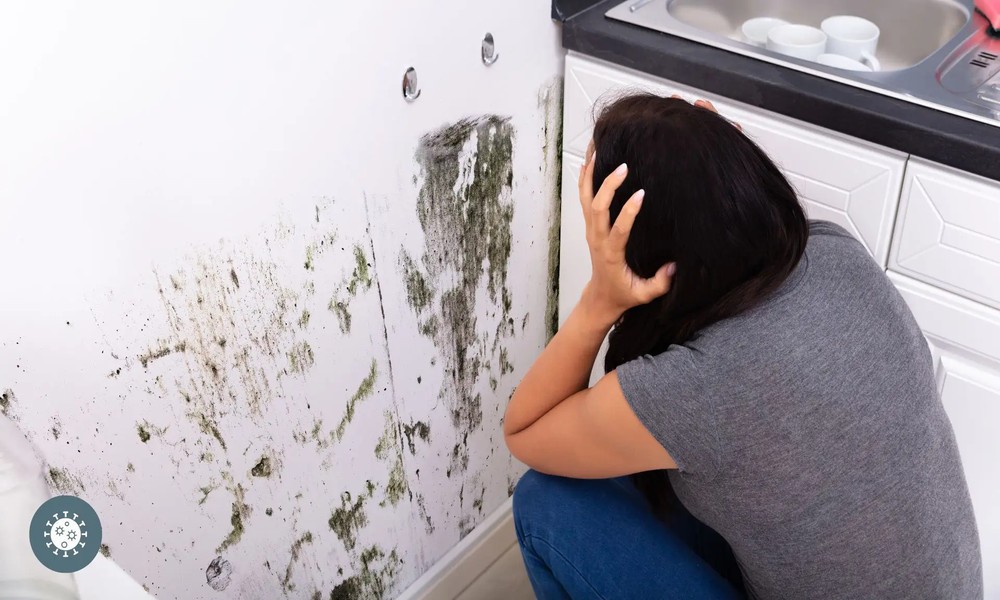
Fungal spores are not only unsightly, but they’re bad for your health. So, when it appears on your painted walls, that alone should be a big cause for concern.
Naturally, you have to act fast if you don’t want to deal with a bigger mess on your hands.
Here’s how to tackle mould right away so you can keep your home safe and healthy.
Essential Cleaning Tools & Materials
Tackling mould doesn’t have to be a massive chore if you’ve got the right gear on hand.
First things first, you’ll want to grab a pair of gloves and a mask. These are non-negotiable if you want to keep the mould spores out of your lungs and protect your skin from the harshness of some of the cleaners.
Think of them as necessities, as nobody wants a cough or to deal with rashes from cleaning fungal infestations.
When it comes to cleaning solutions, you’ve got several good options. Vinegar is a fantastic natural choice that lets you skip the harsh chemicals while still being great against mould.
To tackle the mould, just dip a clean sponge in white vinegar and wipe away. Let it sit for a minute before you scrub for the best results.
If you prefer something a bit gentler, mix some baking soda with water to create a paste. This works wonders for those stubborn spots.
And if you’re after convenience, commercial mould removers are readily available and get the job done quickly. Just pick one up from your local shop, and you’re good to go.
Now, onto the tools. You’ll also need a sponge, a cloth, and a brush. Use the sponge for the bigger areas, a cloth for a quick wipe-down, and a brush to tackle any tricky corners.
Having these essentials at your disposal is how you’ll remove the mould and ensure it doesn’t come back.
Prepare the Area for Cleaning
First off, you need to move any furniture or decorations out of the way so they don’t get contaminated and so that you can easily reach the walls. Lay down some plastic sheets on the floor to catch any mess from the cleaning.
Also, make sure you’ve got good air flow by opening windows and doors. This helps keep you from breathing in the mould spores and cleaning fumes.
How to Mix and Apply the Cleaning Solution
As we said, you can tackle most mould infestations with everyday items like vinegar and baking soda paste.
Luckily, these solutions are not only budget-friendly but also quite effective. Vinegar, with its 5% acidity, is great for breaking down mould spores. Just grab an empty spray bottle, fill it with plain white distilled vinegar, and you’ve got yourself a natural mould buster.
If a paste is more convenient for you, mix some baking soda with water until it’s smooth and spreadable. Sodium bicarbonate’s gentle texture is perfect for scrubbing away mould without harming your paint.
Also, to be on the safe side, first do a quick test in an inconspicuous spot to ensure there’s no paint damage.
Once you’re ready, spray the vinegar or spread the baking soda mixture on the affected areas. Let it sit for 10-15 minutes to work its magic. Then, using a soft brush or an old toothbrush, gently scrub the mould away, taking care not to damage the paint.
After the mould’s gone, rinse the area with clean water and blot it dry with a paper towel to prevent any lingering moisture.
Proper Scrubbing Technique
You have to scrub correctly if you don’t want to damage the paint. That’s precisely why you’ll be using a sponge or a soft brush. The important thing is to just take it slow and work on small bits of the wall at a time.
If you hit a tricky patch, just add a bit more cleaner to help out. Keep an eye out so you don’t miss any spots, because if you do, mould will come back. So, take your time and do it right, and you’ll have a nice, clean, mould-free wall.
Rinsing and Drying
As we’ve said, once you’ve got the mould off your painted walls, have one last glance to make sure there’s nothing left behind. That’s really important for stopping the mould from coming back.
Now, you’re ready to rinse the area one last time and dry off the wall, preferably with paper towels, as you can throw these away.
Prevent Mould Recurrence
Mould can be a real pain to clean off, but with the right strategy, you can keep it at bay.
First, you want to control the humidity levels. It’s best to keep it snugly between 30% and 50%. A little hygrometer can help you keep tabs on this, and if things get a bit too damp, a dehumidifier can really help out, especially in rooms that seem to love moisture.
Now, you also have to fix any leaks. For that purpose, it’s really worth it to regularly inspect the usual suspects, like your roof, under the sinks, and around the pipes.
Quick visual checks can also save you from a big and pricey headache later. Look out for water stains on ceilings-they’re a dead giveaway that something’s wrong.
Good ventilation is another must. Kitchens and bathrooms need a bit of extra love. Installing exhaust fans is great for that purpose. Just leave it running for a few minutes after you’re done with your shower.
Opening the windows helps out, too, and leaving the bathroom door ajar is also beneficial.
You might look into mould-resistant paint. It’s a great choice for humid places when you want to keep your walls mould-free. With these tips, your home will be a less welcoming place for mould and a much healthier spot for you.
Conclusion
So, now you know how to clean mould from painted walls-all that’s left is to put these tips into practice and get it over with. Remember to be careful and ensure thorough drying to prevent the fungal spores from coming back.
Should the problem recur, it might be best to book a visit with mould removal specialists, so you know it’s resolved once and for all.
Good luck!