

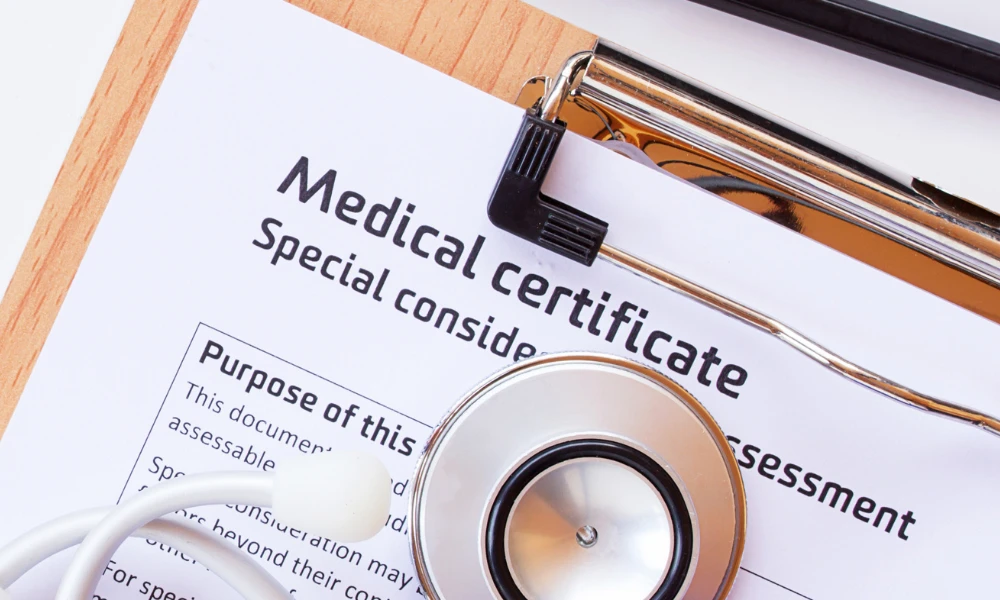
Immediate sick leave situations often require swift medical documentation to satisfy workplace requirements. Employees facing sudden illness need certificates quickly without waiting days for doctor appointments. Digital health platforms have transformed how workers obtain legitimate medical documentation during urgent circumstances. By providing remote access to registered practitioners, these services address time-sensitive employment needs. Streamlined consultation processes and prompt delivery of medical certificates are key features of nextclinic.com.au.
Emergency certification
Medical verification is still needed for minor illnesses that stop people from attending work. Flu headaches and gastric upset can leave you unable to function the next day. Worker documentation often faces long delays because appointments at traditional clinics take several days to secure. The online doctor certificate system accommodates these scenarios by offering same-day consultations where practitioners evaluate symptoms through video assessment. Doctors determine whether conditions genuinely prevent work attendance and issue appropriate certificates reflecting actual incapacity periods.
Mental health episodes
- Validate stress-related absences
Workplace pressure can rise to a level where an employee needs an immediate mental health break. Sudden anxiety attacks or signs of burnout appear without warning, and these issues require professional recognition. Digital consultations give a private space to speak about mental health concerns without stigma or long waiting times. Practitioners with training in psychological assessment provide certificates that show the real need for a mental health day.
- Respond quickly to crises.
Personal emergencies, including grief, trauma responses, or acute anxiety episodes, require immediate leave without delay. Traditional appointment systems cannot accommodate crisis-driven needs adequately. Virtual platforms offer rapid access to mental health professionals who provide compassionate assessment and appropriate documentation. Employees receive necessary support and certificates within hours rather than days.
- Managing recovery
Employees managing diagnosed mental health conditions occasionally need unexpected time off when symptoms intensify. Digital services provide continuity of care through accessible follow-up consultations. Quick certificate issuance supports treatment plans without disrupting therapeutic relationships. Practitioners familiar with ongoing cases provide informed documentation that reflects actual health status.
Conflicts require flexibility
Night shift workers needing morning certificates can’t easily visit clinics operating standard business hours without disrupting sleep schedules.
- Parents with school-age children struggle to attend appointments during school hours when childcare isn’t available.
- Employees in client-facing roles can’t easily leave mid-shift for medical appointments without affecting service delivery.
- Workers travelling for business require certificates while away from their usual medical providers.
- Part-time employees with multiple jobs need certificate access to fit irregular working patterns.
Last-minute leave
- Sudden family emergencies necessitate immediate absence, with proper verification for employer records.
- Unexpected illness occurring late evening or at weekends needs certification before the next business day.
- Workplace accidents causing delayed symptoms require medical assessment outside regular clinic hours.
- Allergic reactions or adverse medication effects appearing suddenly demand prompt professional evaluation
- Childcare breakdowns, forcing parental leave, still require formal documentation even when situations arise without warning.
Digital medical certificates serve immediate leave requirements by matching consultation availability with the unpredictable nature of health events. Acute physical symptoms, mental health episodes, and contagious conditions all benefit from rapid documentation systems that traditional appointment models cannot provide. Schedule flexibility and last-minute accessibility ensure employees meet workplace requirements without unnecessary delays that complicate already stressful situations. The technology bridges gaps between when health issues emerge and when documentation becomes available, creating practical solutions for modern employment realities. This responsiveness ultimately supports both employee welfare and employer compliance needs through efficient, accessible healthcare delivery mechanisms.
